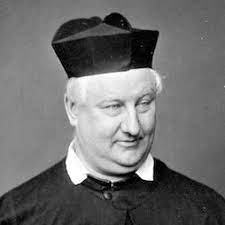
Emma Tatham (1829—1855) is a British poet, born in London, whose work was first published in On the Ocean of Time (1850),and subsequently in The Dream of Pythagoras and Other Poems (1854). She and her family were Wesleyan Methodists, attending the Great Queen Street Chapel. In 1847, they left London, moving to Margate in Kent, primarily due to a severe bout of whooping cough she experienced. She started a small school there, but her poor health did not permit her to continue. She also suffered a period of depression.
Her poems resonate with her Christian worldview. She was highly praised by critics — even those not companions in the faith. Matthew Arnold compared her with the French poet Eugénie de Guérin in one essay, and in another said, "she had a sincere vein of poetical feeling, a genuine aptitude for composition."
She corresponded with Methodist minister Benjamin Gregory, the pastor of the chapel in London, who encouraged her poetry. She shared with him about the poets she was reading. Her favourite was William Wordsworth; she described him as “like a forest stream, still and deep” — contrasting him with Byron who was “more like a troubled mountain cataract”. Gregory published a biography of Tatham in 1859.
Thou Who Dost Write Thy Name
In rapture's tears upon the rainbow's arch;
And trace it on the mountains with a swift
And eloquent lightning pen; and on the flowers
With pencil dipp'd in honey and the dye
Of morning's ruddy cheek and golden hair;
And on the eyes of childhood with sunbeams;
And on the wings of glorious butterfly
With powdery gems and gold;
On angels' foreheads with the flaming plume
Of intellect's white wing, dipp'd in the fire
Of inspiration; on the martyr's brow
With blood; and on the cataracts in heaps
Of thunder visible; and on clouds of storm
In rapturous blackness; and on morning's eyes
With fading stars; and on the hearts of saints
In Thy own beautiful image crimson-traced
As by a pierced hand:
O Thou whose poetry and love in one,
Walk forth where'er Thou art, and hand in hand
Encircle heaven and earth, Thou above praise!
Exalted infinitely; O great GOD!
Hear me, and make me a pure golden harp
For Thy soft finger. Might I be Thy bird,
Hidden from all, singing to Thee alone.
This post was suggested by a new friend of Kingdom Poets, Riccardo Ricci, an Italian evangelical missionary in Greece.
Entry written by D.S. Martin. He is the author of six poetry collections including Angelicus (2021, Poiema/Cascade), plus three anthologies — available through Wipf & Stock. His new book The Role of the Moon, inspired by the Metaphysical Poets, is available from Paraclete Press.
Showing posts with label Matthew Arnold. Show all posts
Monday, April 27, 2026
Monday, March 20, 2023
Frederick William Faber
Frederick William Faber (1814―1863) is best known as a theologian and hymnist. He was born in Yorkshire into a Calvinist family of Huguenot descent, but as a student at Oxford University became greatly influenced by John Henry Newman. During this time he took extended vacations in the Lake District, to write poetry, and wrestle through theological issues. There he was befriended by William Wordsworth.
While a student at Oxford, Faber won the Newdigate Prize for poetry, which has also been won by such poets as Matthew Arnold and Oscar Wilde. He was ordained in the Church of England in 1839, however, in 1845 both he and Newman left to join the Catholic Church.
As was common for 19th century Christian poets, Faber wrote much of his verse in the form of hymns. Perhaps his best-known is — ironically — “Faith of Our Fathers.” By the twentieth century, however, this hymn was being included in Protestant hymnbooks, and A.W. Tozer included twenty pieces by Faber in his anthology, The Christian Book of Mystical Verse (1963).
The Eternity of God
O Lord! my heart is sick,
Sick of this everlasting change;
And life runs tediously quick
Through its unresting race and varied range:
Change finds no likeness to itself in Thee,
And wakes no echo in Thy mute eternity.
Dear Lord! my heart is sick
Of this perpetual lapsing time,
So slow in grief, in joy so quick,
Yet ever casting shadows so sublime:
Time of all creatures is least like to Thee,
And yet it is our share of Thine eternity.
Oh change and time are storms,
For lives so thin and frail as ours;
For change the work of grace deforms
With love that soils, and help that overpowers;
And time is strong, and, like some chafing sea,
It seems to fret the shores of Thine eternity.
Weak, weak, for ever weak!
We cannot hold what we possess;
Youth cannot find, age will not seek, —
Oh weakness is the heart's worst weariness:
But weakest hearts can lift their thoughts to Thee;
It makes us strong to think of Thine eternity.
Thou hadst no youth, great God!
An Unbeginning End Thou art;
Thy glory in itself abode,
And still abides in its own tranquil heart:
No age can heap its outward years on Thee:
Dear God! Thou art Thyself Thine own eternity!
Without an end or bound
Thy life lies all outspread in light;
Our lives feel Thy life all around,
Making our weakness strong, our darkness bright;
Yet is it neither wilderness nor sea,
But the calm gladness of a full eternity.
Oh Thou art very great
To set Thyself so far above!
But we partake of Thine estate,
Established in Thy strength and in Thy love:
That love hath made eternal room for me
In the sweet vastness of its own eternity.
Oh Thou art very meek
To overshade Thy creatures thus!
Thy grandeur is the shade we seek;
To be eternal is Thy use to us:
Ah, Blessed God! what joy it is to me
To lose all thought of self in Thine eternity.
Self-wearied, Lord! I come;
For I have lived my life too fast:
Now that years bring me nearer home
Grace must be slowly used to make it last;
When my heart beats too quick I think of Thee,
And of the leisure of Thy long eternity.
Farewell vain joys of earth!
Farewell, all love that is not His!
Dear God! be Thou my only mirth,
Thy majesty my single timid bliss!
Oh in the bosom of eternity
Thou dost not weary of Thyself, nor we of Thee!
Entry written by D.S. Martin. He is the author of five poetry collections including Angelicus (2021, Cascade) ― a book of poems written from the point-of-view of angels. His books are available through Wipf & Stock.
While a student at Oxford, Faber won the Newdigate Prize for poetry, which has also been won by such poets as Matthew Arnold and Oscar Wilde. He was ordained in the Church of England in 1839, however, in 1845 both he and Newman left to join the Catholic Church.
As was common for 19th century Christian poets, Faber wrote much of his verse in the form of hymns. Perhaps his best-known is — ironically — “Faith of Our Fathers.” By the twentieth century, however, this hymn was being included in Protestant hymnbooks, and A.W. Tozer included twenty pieces by Faber in his anthology, The Christian Book of Mystical Verse (1963).
The Eternity of God
O Lord! my heart is sick,
Sick of this everlasting change;
And life runs tediously quick
Through its unresting race and varied range:
Change finds no likeness to itself in Thee,
And wakes no echo in Thy mute eternity.
Dear Lord! my heart is sick
Of this perpetual lapsing time,
So slow in grief, in joy so quick,
Yet ever casting shadows so sublime:
Time of all creatures is least like to Thee,
And yet it is our share of Thine eternity.
Oh change and time are storms,
For lives so thin and frail as ours;
For change the work of grace deforms
With love that soils, and help that overpowers;
And time is strong, and, like some chafing sea,
It seems to fret the shores of Thine eternity.
Weak, weak, for ever weak!
We cannot hold what we possess;
Youth cannot find, age will not seek, —
Oh weakness is the heart's worst weariness:
But weakest hearts can lift their thoughts to Thee;
It makes us strong to think of Thine eternity.
Thou hadst no youth, great God!
An Unbeginning End Thou art;
Thy glory in itself abode,
And still abides in its own tranquil heart:
No age can heap its outward years on Thee:
Dear God! Thou art Thyself Thine own eternity!
Without an end or bound
Thy life lies all outspread in light;
Our lives feel Thy life all around,
Making our weakness strong, our darkness bright;
Yet is it neither wilderness nor sea,
But the calm gladness of a full eternity.
Oh Thou art very great
To set Thyself so far above!
But we partake of Thine estate,
Established in Thy strength and in Thy love:
That love hath made eternal room for me
In the sweet vastness of its own eternity.
Oh Thou art very meek
To overshade Thy creatures thus!
Thy grandeur is the shade we seek;
To be eternal is Thy use to us:
Ah, Blessed God! what joy it is to me
To lose all thought of self in Thine eternity.
Self-wearied, Lord! I come;
For I have lived my life too fast:
Now that years bring me nearer home
Grace must be slowly used to make it last;
When my heart beats too quick I think of Thee,
And of the leisure of Thy long eternity.
Farewell vain joys of earth!
Farewell, all love that is not His!
Dear God! be Thou my only mirth,
Thy majesty my single timid bliss!
Oh in the bosom of eternity
Thou dost not weary of Thyself, nor we of Thee!
Entry written by D.S. Martin. He is the author of five poetry collections including Angelicus (2021, Cascade) ― a book of poems written from the point-of-view of angels. His books are available through Wipf & Stock.
Monday, January 4, 2021
Reginald Heber
Reginald Heber (1783―1826) is an Anglican clergyman who served as a country parson for fifteen years before being appointed Bishop of Calcutta. While a student at Oxford University he distinguished himself as a poet, winning the Newdigate Prize ― which has since been won by such poets as Matthew Arnold, Oscar Wilde, and Andrew Motion. In 1812 Heber’s Poems and Translations appeared.
For me, his most familiar contribution is the great anthem "Holy, Holy, Holy! Lord God Almighty!" ― which, in the hymnal I remember from childhood, was honoured as hymn #1 and sung with great enthusiasm.
As Bishop of Calcutta, Heber took great interest in the people he served, studying the Tamil language, and using his authority to ordain as deacon the first native Indian to receive Holy Orders. In 1824 he began an extensive sixteen-month journey throughout India, which also brought him through what is now Bengladesh and Sri Lanka. He was critical of the disrespect shown by the British East India Company toward Indian people, and was concerned that few were promoted to senior positions.
Heber died suddenly in Trichinopoly, India, at the age of 42. His Narrative of a Journey Through the Upper Provinces of India: 1824–25 was published posthumously. A marble memorial was erected to him in St. Paul’s Cathedral. There is also a sculptured portrait of Heber in the inner courtyard of what was once the India Office, now the Foreign, Commonwealth & Development Office in London.
This poem is from The Poetical Works of Reginald Heber, D.D. Lord Bishop of Calcutta (1830, Frederick Warne).
Epiphany
Brightest and best of the sons of the morning!
---Dawn on our darkness and lend us Thine aid!
Star of the East, the horizon adorning,
---Guide where our infant Redeemer is laid.
Cold on His cradle the dew-drops are shining,
---Low lies His head with the beasts of the stall;
Angels adore Him in slumber reclining,
---Maker and Monarch and Saviour of all!
Say, shall we yield Him, in costly devotion,
---Odours of Edom and off'rings divine?
Gems of the mountain and pearls of the ocean,
---Myrrh from the forest or gold from the mine?
Vainly we offer each ample oblation;
---Vainly with gold would His favour secure:
Richer by far is the heart's adoration,
---Dearer to God are the prayers of the poor.
Brightest and best of the sons of the morning!
---Dawn on our darkness and lend us Thine aid!
Star of the East, the horizon adorning,
---Guide where our infant Redeemer is laid.
Entry written by D.S. Martin. His latest poetry collection is Ampersand (2018, Cascade). His books are available through Amazon, and Wipf & Stock, including the anthologies The Turning Aside, and Adam, Eve, & the Riders of the Apocalypse.
For me, his most familiar contribution is the great anthem "Holy, Holy, Holy! Lord God Almighty!" ― which, in the hymnal I remember from childhood, was honoured as hymn #1 and sung with great enthusiasm.
As Bishop of Calcutta, Heber took great interest in the people he served, studying the Tamil language, and using his authority to ordain as deacon the first native Indian to receive Holy Orders. In 1824 he began an extensive sixteen-month journey throughout India, which also brought him through what is now Bengladesh and Sri Lanka. He was critical of the disrespect shown by the British East India Company toward Indian people, and was concerned that few were promoted to senior positions.
Heber died suddenly in Trichinopoly, India, at the age of 42. His Narrative of a Journey Through the Upper Provinces of India: 1824–25 was published posthumously. A marble memorial was erected to him in St. Paul’s Cathedral. There is also a sculptured portrait of Heber in the inner courtyard of what was once the India Office, now the Foreign, Commonwealth & Development Office in London.
This poem is from The Poetical Works of Reginald Heber, D.D. Lord Bishop of Calcutta (1830, Frederick Warne).
Epiphany
Brightest and best of the sons of the morning!
---Dawn on our darkness and lend us Thine aid!
Star of the East, the horizon adorning,
---Guide where our infant Redeemer is laid.
Cold on His cradle the dew-drops are shining,
---Low lies His head with the beasts of the stall;
Angels adore Him in slumber reclining,
---Maker and Monarch and Saviour of all!
Say, shall we yield Him, in costly devotion,
---Odours of Edom and off'rings divine?
Gems of the mountain and pearls of the ocean,
---Myrrh from the forest or gold from the mine?
Vainly we offer each ample oblation;
---Vainly with gold would His favour secure:
Richer by far is the heart's adoration,
---Dearer to God are the prayers of the poor.
Brightest and best of the sons of the morning!
---Dawn on our darkness and lend us Thine aid!
Star of the East, the horizon adorning,
---Guide where our infant Redeemer is laid.
Entry written by D.S. Martin. His latest poetry collection is Ampersand (2018, Cascade). His books are available through Amazon, and Wipf & Stock, including the anthologies The Turning Aside, and Adam, Eve, & the Riders of the Apocalypse.
Monday, July 22, 2013
John Keble
John Keble (1792—1866) is an English poet and churchman who held the chair as Oxford Professor of Poetry from 1831 to 1841. He was a significant influence on such poets as Thomas Hardy, Christina Rossetti and Matthew Arnold. His 1827 book, The Christian Year, may have been the best-selling volume of verse in the nineteenth century. He was also influential as part of the Oxford Movement: a group of Anglicans who sought to revive fading High Church traditions. In 1870 Keble College, Oxford, was named in his honour.
Although changes in literary fashion have undermined Keble’s popularity today — Malcolm Guite, in the introduction to his 2012 sonnet collection Sounding the Seasons, acknowledges his debt to The Christian Year.
Blest Are the Pure In Heart
Blest are the pure in heart,
For they shall see our God;
The secret of the Lord is theirs;
Their soul is Christ’s abode.
The Lord, Who left the heavens
Our life and peace to bring,
To dwell in lowliness with men
Their Pattern and their King.
Still to the lowly soul
He doth Himself impart;
And for His dwelling and His throne
Chooseth the pure in heart.
Lord, we Thy presence seek;
May ours this blessing be;
Give us a pure and lowly heart,
A temple meet for Thee.
Entry written by D.S. Martin. He is the award-winning author of the poetry collections Poiema (Wipf & Stock) and So The Moon Would Not Be Swallowed (Rubicon Press). They are both available at: www.dsmartin.ca
Although changes in literary fashion have undermined Keble’s popularity today — Malcolm Guite, in the introduction to his 2012 sonnet collection Sounding the Seasons, acknowledges his debt to The Christian Year.
Blest Are the Pure In Heart
Blest are the pure in heart,
For they shall see our God;
The secret of the Lord is theirs;
Their soul is Christ’s abode.
The Lord, Who left the heavens
Our life and peace to bring,
To dwell in lowliness with men
Their Pattern and their King.
Still to the lowly soul
He doth Himself impart;
And for His dwelling and His throne
Chooseth the pure in heart.
Lord, we Thy presence seek;
May ours this blessing be;
Give us a pure and lowly heart,
A temple meet for Thee.
Entry written by D.S. Martin. He is the award-winning author of the poetry collections Poiema (Wipf & Stock) and So The Moon Would Not Be Swallowed (Rubicon Press). They are both available at: www.dsmartin.ca
Monday, February 7, 2011
Geoffrey Hill
In June 2010, Geoffrey Hill was overwhelmingly elected the 44th Professor of Poetry at Oxford University — a post established in 1708, that has been held by such celebrated poets as Matthew Arnold, W.H. Auden and Seamus Heaney. Until now, he has been conspicuously passed over for such honours. The witty name of his 2006 collection Without Title, has now lost its punch.Hill’s poetry has often been criticised for being deliberately allusive, complex, and full of red-herrings, partly because he uses foreign words (untranslated) and obscure references (unfootnoted). In this he has often been compared with T.S. Eliot. According to Gregory Wolfe of Image, “The subjects that preoccupy Hill” are “the mystery of sin, our forgetfulness of the past, the enormous responsibility that rests on those who use words in the public realm, and the triumph of vanity and superficiality in contemporary culture”.
The following excerpt is from the book-length poem, The Triumph of Love (1998). It consists of 150 sections — perhaps reflecting the number of Psalms in the Old Testament — and like the Psalms it is both penitential and accusational. One target of the poem is the error of World War II and its sad aftermath; here he also wrestles with finding an appropriate poetic voice for expressing the horrors of the war and the postwar period.
from The Triumph of Love XVII
If the gospel is heard, all else follows:
the scattering, the diaspora,
the shtetlach, ash pits, pits of indigo dye.
Penitence can be spoken of, it is said,
but is itself beyond words;
even broken speech presumes. Those Christian Jews
of the first Church, huddled sabbath-survivors,
keepers of the word; silent, inside twenty years,
doubly outcast: even so I would remember—
the scattering, the diaspora.
We do not know the saints.
His mercy is greater even than his wisdom.
If the gospel is heard, all else follows.
We shall rise again, clutching our wounds.
This is the first Kingdom Poets post about Geoffrey Hill: second post
Entry written by D.S. Martin. He is the award-winning author of the poetry collections Poiema (Wipf & Stock) and So The Moon Would Not Be Swallowed (Rubicon Press). They are both available at: www.dsmartin.ca
Subscribe to:
Posts (Atom)